How Material Handling Systems Boost Industrial Productivity
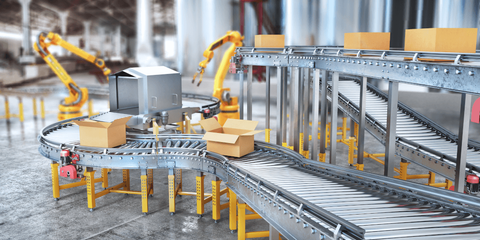
What Are Material Handling Systems? Material handling systems include a broad range of equipment such as conveyors, forklifts, pallet trucks, storage racks, and automated technologies. Their purpose is to ensure smooth movement, storage, and control of materials throughout a facility. For example, tools like the uline industrial pallet truck are commonly used in warehouses for moving heavy pallets efficiently, while storage solutions such as sjf pallet racking help organize inventory and maximize storage space. These systems are essential for maintaining workflow continuity, minimizing errors, and supporting operational efficiency. How Material Handling Systems Improve Industrial Productivity Efficient systems reduce the time required to transport materials within a facility. Equipment like pallet trucks and forklifts, including a vertical mast forklift, allows quick lifting and movement even in tight spaces. Automation reduces reliance on manual labor. The use of automated material handling robots enables consistent and continuous operations, especially in repetitive tasks such as picking and sorting. Structured storage systems such as a carton flow rack system ensure that goods are easily accessible and properly arranged, reducing search time and improving picking efficiency. Automation and organized systems help reduce human errors in material handling, leading to fewer delays and improved output quality. Storage solutions like sjf pallet racking allow vertical stacking, helping businesses maximize available space without expanding their physical footprint. Using proper equipment reduces risks associated with manual lifting and material transport, contributing to a safer work environment. Benefits and Limitations Improved operational efficiency Reduced labor costs over time Better inventory tracking and organization Increased workplace safety Faster order processing and fulfillment Initial setup costs can be high Requires training for proper usage Maintenance is necessary to avoid downtime Some systems may lack flexibility if processes change Types of Material Handling Systems These involve human labor with minimal equipment. They are cost-effective but less efficient for large-scale operations. These include forklifts, cranes, and pallet trucks such as the uline industrial pallet truck, offering better efficiency than manual handling. Modern facilities increasingly rely on automated material handling robots for high-speed and accurate operations. Solutions like carton flow rack systems and sjf pallet racking fall under this category, focusing on efficient storage and retrieval. Comparison Table: Material Handling System Types Latest Trends and Innovations The use of automated material handling robots is increasing in warehouses and manufacturing units to improve speed and reduce errors. Businesses are investing in advanced storage solutions. Searches like warehouse racking system near me highlight the growing demand for localized, efficient storage infrastructure. Equipment such as the vertical mast forklift is designed for narrow aisles and compact storage environments. Solutions like sjf pallet racking and carton flow rack systems are evolving to support better inventory rotation and space utilization. Key Features to Consider Compatibility with existing operations Load capacity and durability Space utilization efficiency Ease of maintenance Safety features Scalability for future expansion Level of automation required Understand your workflow and identify where delays occur. Consider whether systems like a carton flow rack system or pallet racking are suitable for your inventory type. Choose between manual, mechanical, or automated solutions depending on scale and budget. If working in limited space, equipment such as a vertical mast forklift may be more suitable. Ensure the system can scale with increasing demand. Tips for Best Use and Maintenance Perform regular inspections of equipment Train staff on proper handling techniques Keep storage systems organized Schedule preventive maintenance Monitor system performance using data tools Proper maintenance ensures consistent productivity and reduces unexpected downtime. Frequently Asked Questions (FAQs) They improve efficiency by reducing delays, optimizing workflows, and ensuring smooth material movement. They can improve accuracy and speed, especially in large-scale operations, but require higher initial investment. It depends on the inventory type, but options like sjf pallet racking and carton flow rack systems are commonly used. Many businesses search for a warehouse racking system near me to find nearby suppliers and installation services. Common equipment includes forklifts and pallet trucks such as the uline industrial pallet truck. Conclusion Material handling systems are essential for improving industrial productivity by streamlining the movement, storage, and control of materials. From basic tools to advanced automation technologies like automated material handling robots, these systems help businesses operate more efficiently and safely. While the initial investment and setup may require careful planning, the long-term benefits—such as improved workflow, reduced labor dependency, and better space utilization—make them a practical choice for modern industries.1. Faster Movement of Goods
2. Reduced Manual Effort
3. Improved Inventory Organization
4. Minimized Errors
5. Better Space Utilization
6. Enhanced Safety
Benefits
Limitations
1. Manual Systems
2. Mechanical Systems
3. Automated Systems
4. Storage and Retrieval Systems
1. Robotics and Automation
2. Smart Warehousing
3. Compact Equipment Design
4. Advanced Racking Systems
Checklist
How to Choose the Right Material Handling System1. Assess Operational Needs
2. Evaluate Storage Requirements
3. Consider Equipment Type
4. Check Space Constraints
5. Plan for Future Growth
1. What is the role of material handling systems in productivity?
2. Are automated material handling robots worth the investment?
3. What type of racking system is best for warehouses?
4. How do I find storage solutions locally?
5. What equipment is used for lifting pallets?